Theater
Tour of the living puppet museum
About this event
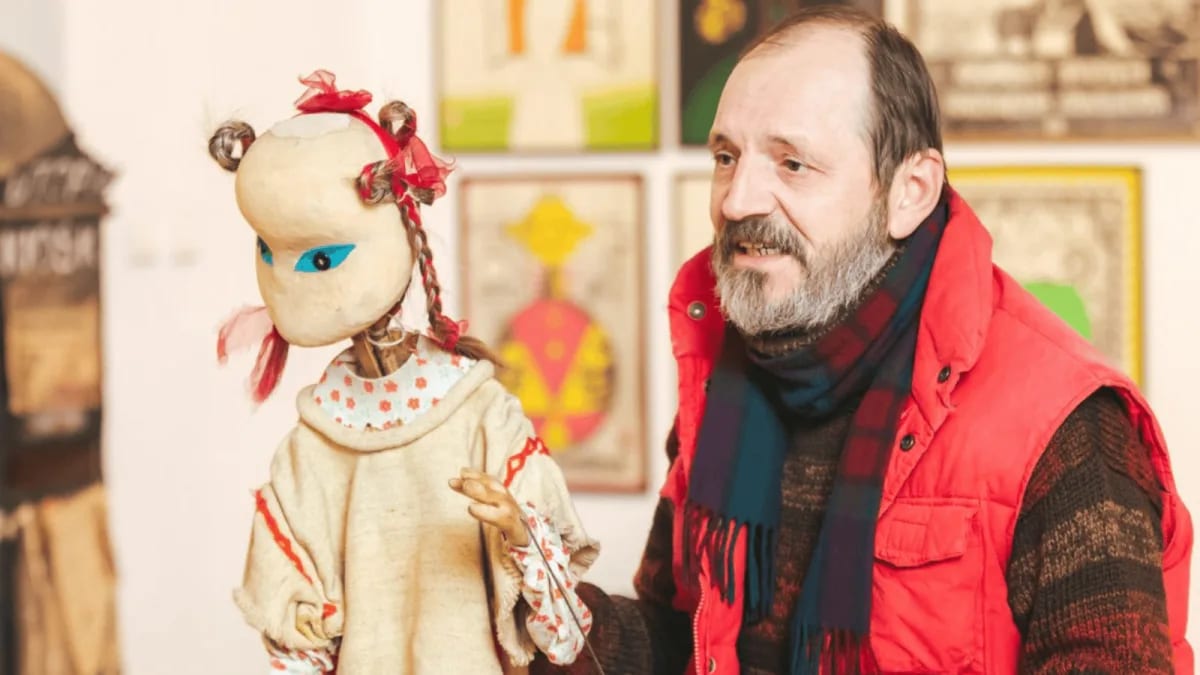
The theatre museum's exhibition is cozily housed in a few small rooms next to the Small Hall. Here, a multitude of puppets, masks, and scenography elements from shows no longer being performed are neatly arranged. All these props are made in the workshops located in the same building. The exhibition is constantly updated, which is why the museum is called "living".
What are the types of theatrical puppets? How did the word "marionette" originate? Which famous directors and artists have created shows at the Vilnius "Lėlė" Theatre? How can you make a puppet theatre at home? How long does an actor have to train their fingers to be able to control a marionette? What makes puppet theatre special and different from other arts? During the tour of the Living Puppet Museum, puppet theatre historian, director and artist Rimas Driežis will answer these and many other questions for you.