Exhibition
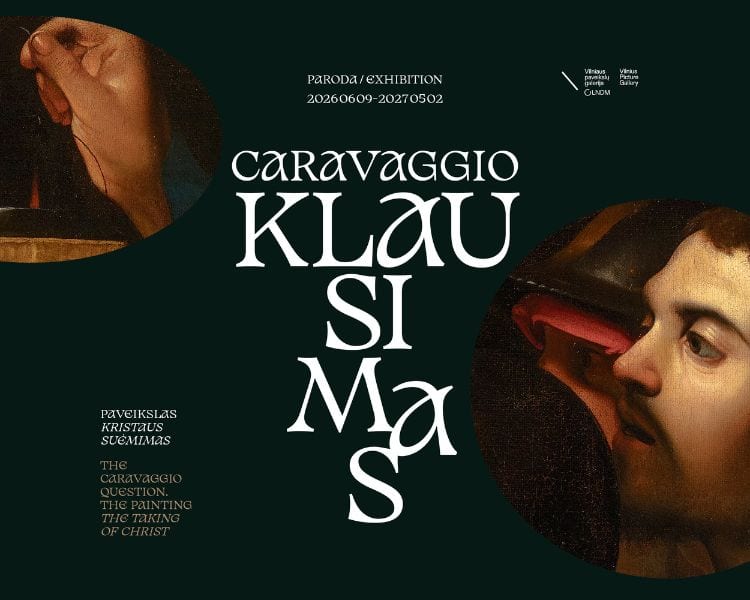
The Caravaggio Question: The Painting "The Taking of Christ"
About this event
1603. Rome. Ciriaco Mattei gazed at yet another painting adorning the walls of his palace. The commotion, the faces emerging from the darkness, the desperate scream of John, and the silent resignation—the emotional tension and physical proximity of the figures are almost palpable, as if you were there yourself, in the Garden of Gethsemane, trying to pull the traitor away from His face. The work was once again executed flawlessly. 125 scudi—that is what he paid Michelangelo da Caravaggio for "The Taking of Christ," never suspecting that a short line in his account books would, centuries later, become one of the greatest discoveries in the art world.
More than ten years later, when neither Ciriaco nor his protégé were among the living, the patron's brother, Astrubale Mattei, commissioned a copy of the work from the painter Giovanni di Attilio, promising a fee of just 12 scudi. The replica and the original remained in the Mattei family collections at least until 1729, until their paths finally diverged.
Currently, at least twelve copies of "The Taking of Christ" are known to exist worldwide. Scholarly debates continue regarding how much of the true Caravaggio is in each of them. One of the most popular theories is to consider the painting in Odessa to be the very first copy made by di Attilio. Not all questions will be answered this time either, but the exhibition offers a rare opportunity to see how art history is "written."