Theater
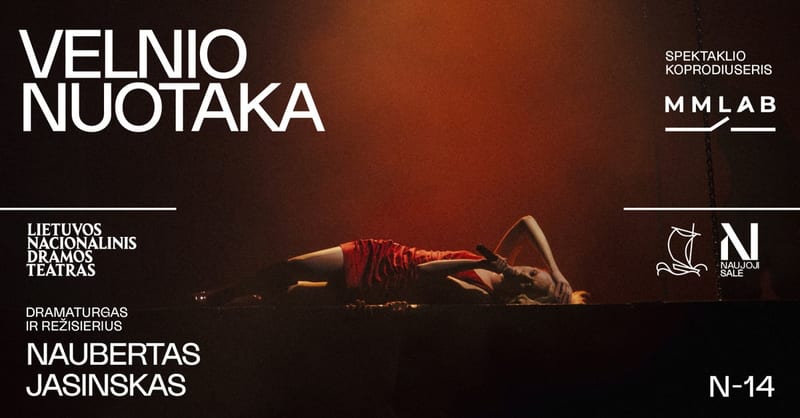
Naubertas Jasinskas. THE DEVIL'S BRIDE, dir. Naubertas Jasinskas
SAT, 14 NOV · 19:00
Lietuvos nacionalinis dramos teatras, Naujoji salė · Gedimino pr. 4
From €9.80Tickets ↓
About this event
Playwright, director — Naubertas JASINSKAS
Dramaturgy consultant — Marija KAVTARADZE
Scenographer — Sigita ŠIMKŪNAITĖ
Costume designer — Sandra STRAUKAITĖ
Composers — Dominykas DIGIMAS, Miglė PALKEVIČIŪTĖ-MIGLUMA
Choreographer — Oksana GRIAZNOVA
Lighting designer — Dainius URBONIS
Video projection author — Ričard ŽIGIS
Producer — Rusnė KREGŽDAITĖ
Executive producer — Rugilė PUKŠTYTĖ
Manager — Greta SENKUTĖ
Assistant director — Bartė LIAGAITĖ
Assistant director — Regina GARUOLYTĖ
Assistant playwright — Orestas RAZUMAS
Cast
Vaiva MAINELYTĖ
Jolanta DAPKŪNAITĖ
Alvydė PIKTURNAITĖ
Vytautas RUMŠAS
Karolis KASPERAVIČIUS
Gediminas RIMEIKA
Lukas MALINAUSKAS
Šarūnas Rapolas MELIEŠIUS
Augustė Ona ŠIMULYNAITĖ
"The Devil's Bride" is a musical drama about eternity, passion, youth, and the fear of losing everything. Inspired by Arūnas Žebriūnas' film, the life path of actress Vaiva Mainelytė, the intimate cinematic language of John Cassavetes, and Kazys Boruta's novella "Baltaragis' Mill," the play creates a narrative about the influence of collective myths on our identities.
The creators of the play raise questions: do we want to stop time to experience it, or to maintain control? The story is constructed through the perspective of the main character – a young actress, Jurga, played by Alvydė Pikturnaitė. She no longer understands if she is truly in love or just performing the role of love. The world she once longed to conquer becomes empty, and pleasure can no longer fill this void.
When & where
NOV
JAN


