Theater
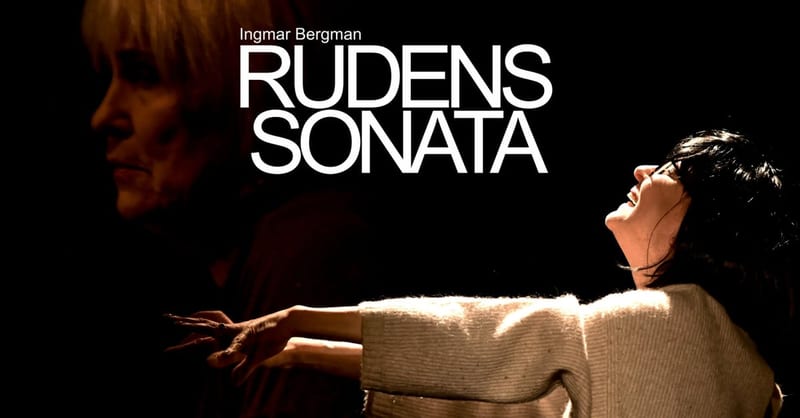
Ingmar Bergman "Autumn Sonata"
About this event
The creative team behind the play based on Ingmar Bergman's "Autumn Sonata" explores complex human relationships. Each character has experienced their own life traumas that prevent them from moving forward.
This is another production based on Ingmar Bergman's work by Vytautas Rumšas and his like-minded colleagues – actors with extensive stage experience: Dalia Storyk, Adrija Čepaitė, Saulius Balandis, and pianist Monika Palšauskaitė. This production is the third part of a trilogy: the first two parts, "Private Confessions" and "Scenes from a Marriage," were staged at the National Drama Theatre.
The play "Autumn Sonata" transports the viewer into a complex meeting between a mother and daughter after many years, into their world of experiences, old grievances, unspoken thoughts, and emotions. Here, love and tenderness intertwine with pain and betrayal.
This play is also a story of a husband and wife, raising many questions: who am I, what do I strive for, what do I give to another.
Through the lips of the main characters, words that reflect the essence of the play are spoken:
Eva (Adrija Čepaitė):
"One must learn to live; I am learning this every day. The biggest obstacle is that I don't know who I am; I walk blindly, as if sightless. If there were a person who would love me as I am, perhaps I would dare to look at myself."
Viktor (Saulius Balandis):
"I would like to tell her that the person is right there, that I love, adore her without any reservations. I try to find words she would believe, but I cannot find them, I cannot find them."
"To be an adult means to be able to manage your dreams and hopes and to expect nothing anymore.
And to stop being surprised."
Charlotte (Dalia Storyk):
"I almost don't remember my childhood and I don't remember at all that my parents ever hugged or kissed me. I knew nothing about love, nor what tenderness, caress, or closeness were. Now I sometimes wonder if I ever truly lived at all..."
The entire play is summarized by the wisdom of the author:
"Nevertheless, there exists a kind of grace. It is an extraordinary opportunity to care for one another, to help each other, to show tenderness."


