VILNIUS·KAUNAS
LT·EN
Scena
Scena
  • Discover
  • Films
  • Theater
  • Events
City
VILNIUS·KAUNAS
Language
LT·EN
  • Discover
  • Films
  • Theater
  • Events
Scena

Films, stages, concerts and nights out across the city — gathered into one live programme, updated daily.

Browse

  • What's on
  • Discover
  • Films
  • Theater
  • Events
  • Venues

© 2026 Scena · Where the City Happens

  • Search events, venues, dates, or what to do next.
↑↓navigate↵openescclose
  • Discover
  • Films
  • Theater
  • Events
Historical walk in Lukiškės (in Lithuanian)
Event

Historical walk in Lukiškės (in Lithuanian)

FRI, 03 JUL · 17:00
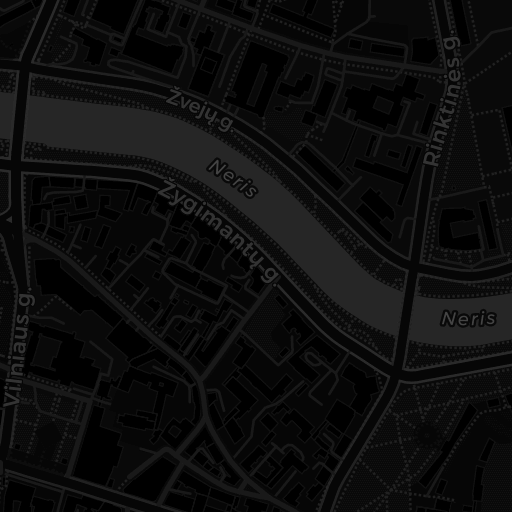
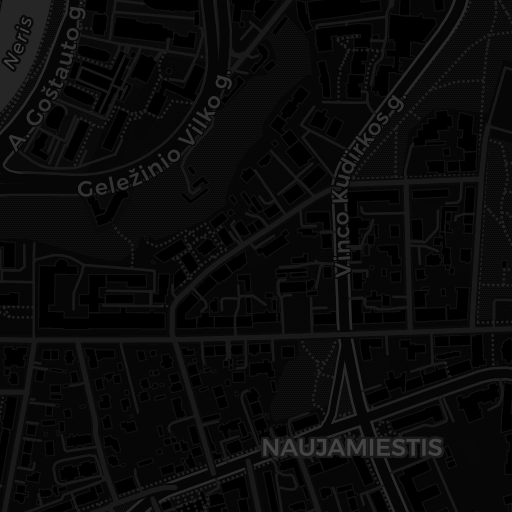
Lukiškių kalėjimas 2.0 · Lukiškių skg. 6
Tickets ↓
Details
Organizer
Aštuntas elementas, UAB

About this event

The Lukiškės Prison complex today bears witness to the fact that a former place of incarceration will always carry a symbolic weight. As an object of historical research, the former Lukiškės Remand Prison-Correctional Facility has so far received only a few in-depth studies. It is not surprising, as the Lukiškės Prison complex, built more than a hundred years ago, became history itself and was only closed in July 2019.

After 3 years of digging through historical archives, countless hours of conversations with historians, and trial walks, we have the result – a long-awaited and valuable historical walk in Lukiškės. We collected data from historical archives, books, and articles about every period of the 115-year history of Lukiškės Prison. We asked and kept asking for people's memories and historians' insights. The historical walk covers a consistent image of the past, starting from the prison that stood there even before the Lukiškės Prison was built.

Step by step, transport yourself into the history of Lukiškės Prison. This walk was prepared by a professional team of guides and historians.

This is an invitation to face the past of Lukiškės Prison, of which convicts of Lithuanian, Polish, Jewish, Belarusian, and other nationalities and political views were a part. Vilnius' multiculturalism was also reflected in faith – an Orthodox church, a Catholic chapel, and a Jewish house of prayer were integrated into the Lukiškės Prison complex.

Lukiškės Prison officially operated for 115 years and during this time "served" all regimes: Tsarist Russia, the Polish era, the first Republic of Lithuania, the Nazi occupation, the Soviet occupation, and independent Lithuania. The government constantly changed, but the prison was needed as it was. With the complex operating as a prison for more than a hundred years, literally everything happened. This is best evidenced by the real and sensitive stories of people.

"My belongings were checked by a uniformed woman. She didn't strip me naked, just ran over my clothes a bit. She led me through the courtyard to that..." "They took our money, a watch, a small knife (intending to return them later) and handed us over..." "We went up with an escort to the third floor on metal stairs that even rang. A uniformed NKVD sergeant with a Georgian appearance..." How did Lukiškės Prison "greet" and "receive" those who arrived during different stages of history?

For many, the cells were deeply etched in their memory. The memoirs state: "6 steps long and 3 wide." "Only four steps long." "Many 2 x 5 meter solitary confinement cells." "The area of the punishment cell was about 2 x 4 meters." How many people spent their days in them during different periods and how?

JUL
AUG
FRI · JUL
0317:00

Lukiškių kalėjimas 2.0

Tickets ↗
© OpenStreetMap, CARTO
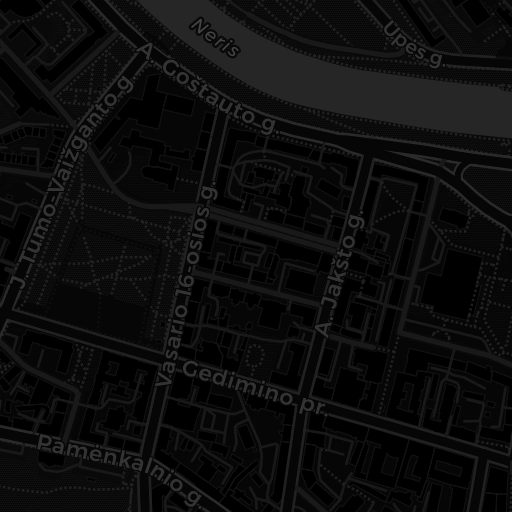
VenueLukiškių kalėjimas

Lukiškių skg. 6

What's on at this venue →

We remind you that famous people were imprisoned in Lukiškės Prison - signatories of the Act of Independence of Lithuania Jonas Vileišis, Mykolas Biržiška, and Vladas Mironas, Israeli Prime Minister Menachem Begin, and many other historical figures. Partisan commander Adolfas Ramanauskas-Vanagas was treated in the Lukiškės Prison hospital, and the writer and editor of "Lietuvos žinios" Žemaitė served a 2-week sentence in Lukiškės Prison when a censor did not like an author's essay in the newspaper.

"During the historical walks, we want not only to help visitors remember past events but also to reflect on their impact on today's society. Lukiškės Prison symbolizes not only the penal system but also complex periods in Lithuanian history – occupations, political resistance, and societal transformations. It is a history that tells and reflects human destinies, political shifts, and social change. When you walk in spaces where people once lived, suffered, and believed, history becomes alive," is how our professional guide team talks about these walks.

On the historical walk through Lukiškės Prison, you can touch and even smell its history. The walls here tell a lot. Speaking of walls, Lukiškės Prison was designed by architect G. Trambickis and his team so that in both wings, guards could see as many cells as possible. The prison architecture is a separate and another important topic of the historical walks.

What do historians and experts say about the historical walks?

"Lukiškės Prison perfectly represents the multifaceted history of multi-confessional and multi-ethnic Vilnius (and perhaps the state). It is a kind of microcosm of the 'bloodlands' drama. So, even today, it is an undoubted space for dialogue. Dialogue with the past, the present, and at the same time with oneself," says historian, guide, and traveler Vladas Liepuonius.

"The historical walk through the Lukiškės Prison complex emphasizes the entire complex history of this place – Tsarist times, painful occupation periods, and finally, Lithuania's independence. It talks about historical figures, even the specifics of the prison architecture and the philosophical nature of the prison. Talking about the history of this place is painful and sensitive, but possible and necessary," shared Kamilė Gogelienė, chair of the Vilnius City Municipality Historical Memory Commission, after the historical walk.

"Lukiškės Prison is not just prison slang and guards' memories. Opened in 1904 and closed in 2019, Lukiškės is the entire history of 20th-century Vilnius. It is very interesting, although gloomy, to experience that history through the prism of a repressive institution. I am glad that we managed to prepare such a walk. Even those who think they have explored every corner of the prison will be surprised to find themselves in places they never imagined existed," states Rasa Antanavičiūtė, director of the Vilnius Museum.

Walk through the prison during the day, at night, or choose this new historical format. These are 3 different and complementary experiences in the city that cannot be compared with each other.

Lukiškės Prison objects

It is said that upon completion of the prison construction, it was one of the most modern buildings in the entire Russian Empire. To allow for the viewing of all the beauty of this architecture, the prison warden even suggested a walk around the Lukiškės suburb. Today, we invite you to walk not only around the prison but also inside it.

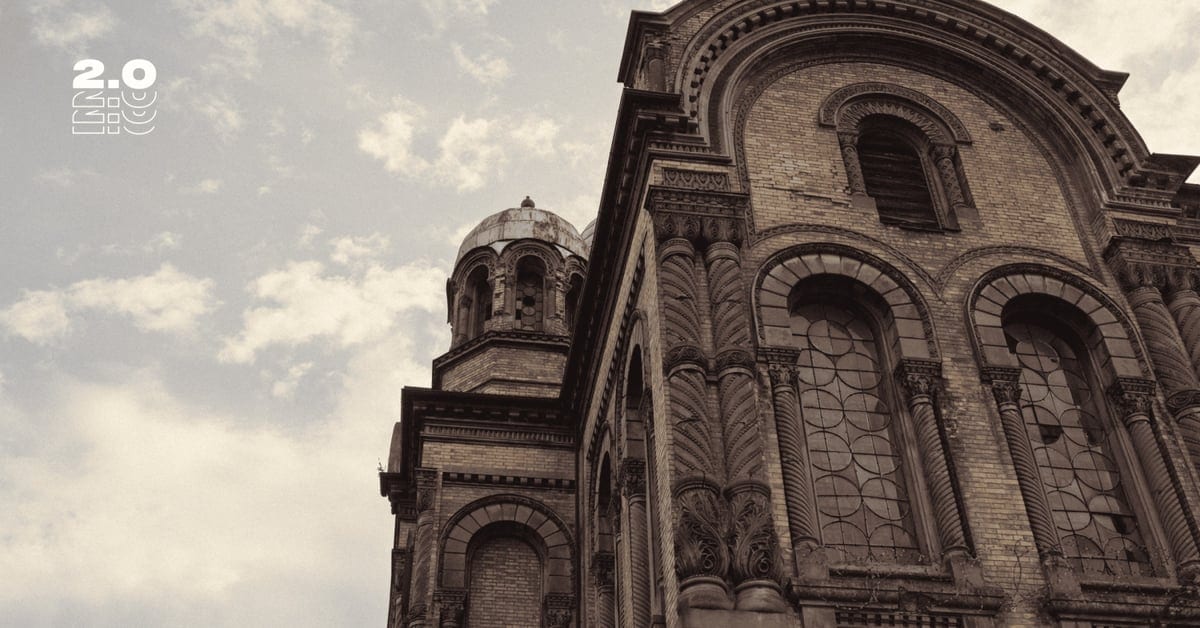
The Lukiškės Prison complex consists of an administrative building, the St. Nicholas the Wonderworker Church building, a dormitory building, a prison building, a prison-hospital building, a fence, and a security checkpoint. This complex is included in the Register of Cultural Values and has the status of a national cultural value.

Now, Lukiškės Prison simultaneously holds time that has stopped and time that is forever moving forward. While maintaining the authenticity of the 18,000-square-meter complex, change, transformation, and (co)creation are taking place here.

Lukiškės Prison 2.0

More than 1 million people have already visited the new version of Lukiškės Prison. This conversion has awakened the attention of citizens and artists. Lukiškės Prison 2.0 creates a different image, has changed the emotion, and has a new meaning. Lukiškės Prison 2.0 is not just a new or better version of the prison. It is much more.

This conversion is one of the most interesting cultural phenomena in Lithuania and the world. Lukiškės Prison today is a city attraction center, full of culture, music, art, and bright people. The conversion format we proposed unites 500+ creators and residents. The community of residents in Lukiškės creates good and shares it with the citizens. Thus, a historical heritage object in the center of Vilnius has become a generator of music, modern art, cinema, and culture. There is a lot of culture here, which is why artists and creatives want to create here.

This vision and concept have attracted the attention of Europe and the world. It remains to continue changing the perspective, enjoying the beautiful change, giving meaning to history, and not forgetting the past.

When & where