Exhibition
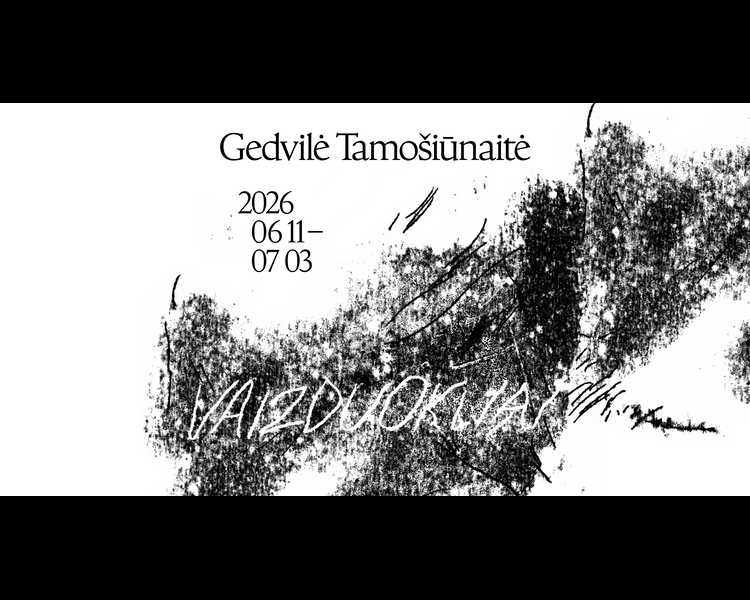
Gedvilė Tamošiūnaitė. Exhibition "Vaizduokliai"
About this event
On June 11 at 6 p.m., the solo exhibition 'Vaizduokliai' by photographer Gedvilė Tamošiūnaitė (curated by Eglė Ambrasaitė) will open at the 'Meno niša' gallery.
The exhibition presents a new cycle of serigraphs by the artist. Prints on glass and paper explore the contemporary human relationship with screens, the excess of images, and a fragmented digital daily life. G. Tamošiūnaitė is the second artist of this year's gallery project 'Meno niša: Open Call'.
Gedvilė Tamošiūnaitė is a Lithuanian-born artist and photographer currently living and working in Berlin. In 2015, she completed her studies in photography and media art at the Vilnius Academy of Arts, and in 2020, she earned a Master's degree in photography from the ECAL University of Art and Design in Lausanne (Switzerland). Her creative practice encompasses photography, video art, and visual research – the artist's works have been exhibited internationally, and in 2024, she was selected for the 'FuturesTalent' program.
The starting point for the 'Vaizduokliai' exhibition is the daily existence within a constant stream of images – from live broadcasts and surveillance cameras to screenshots, low-resolution fragments, and snippets of virtual daily life. These images, circulating in the digital space, are not captured as documents in the artist's practice, but rather transferred into another state – slow, material, and requiring a physical gaze and time.
G. Tamošiūnaitė creates her works using the serigraphy technique, printing images on glass and paper. The digital, quickly consumed image here gains weight, layers, and a dependency on light and the viewer's movement. Thus, the screen stream turns into a series of objects where the image becomes not a momentary event, but a paused time.
'Screenshots are temporary, low-quality, coming from constantly changing video material. Through the serigraphy process, they become material – supplemented by layers of paint, glass, and manual work. What is essentially weightless and accidental information gains a body,' says artist G. Tamošiūnaitė.
An important axis of the exhibition is the tension between the ephemeral digital image and the slow, analog creative process. The artist emphasizes that this contrast also becomes her own position in the field of photography: 'As a photographer, I feel fatigue towards images and the attention economy. My work is a resistance to that speed. I want to slow down the gaze and soften the stimulation.'
Exhibition curator Eglė Ambrasaitė links the context to the idea of the dark mirror – a historical and contemporary reflection connecting obsidian and the screen. In ancient Mesoamerican cultures, polished obsidian was considered a ritual object, a kind of portal between worlds, and today this function is taken over by screens, which become modern reflective surfaces.