Exhibition
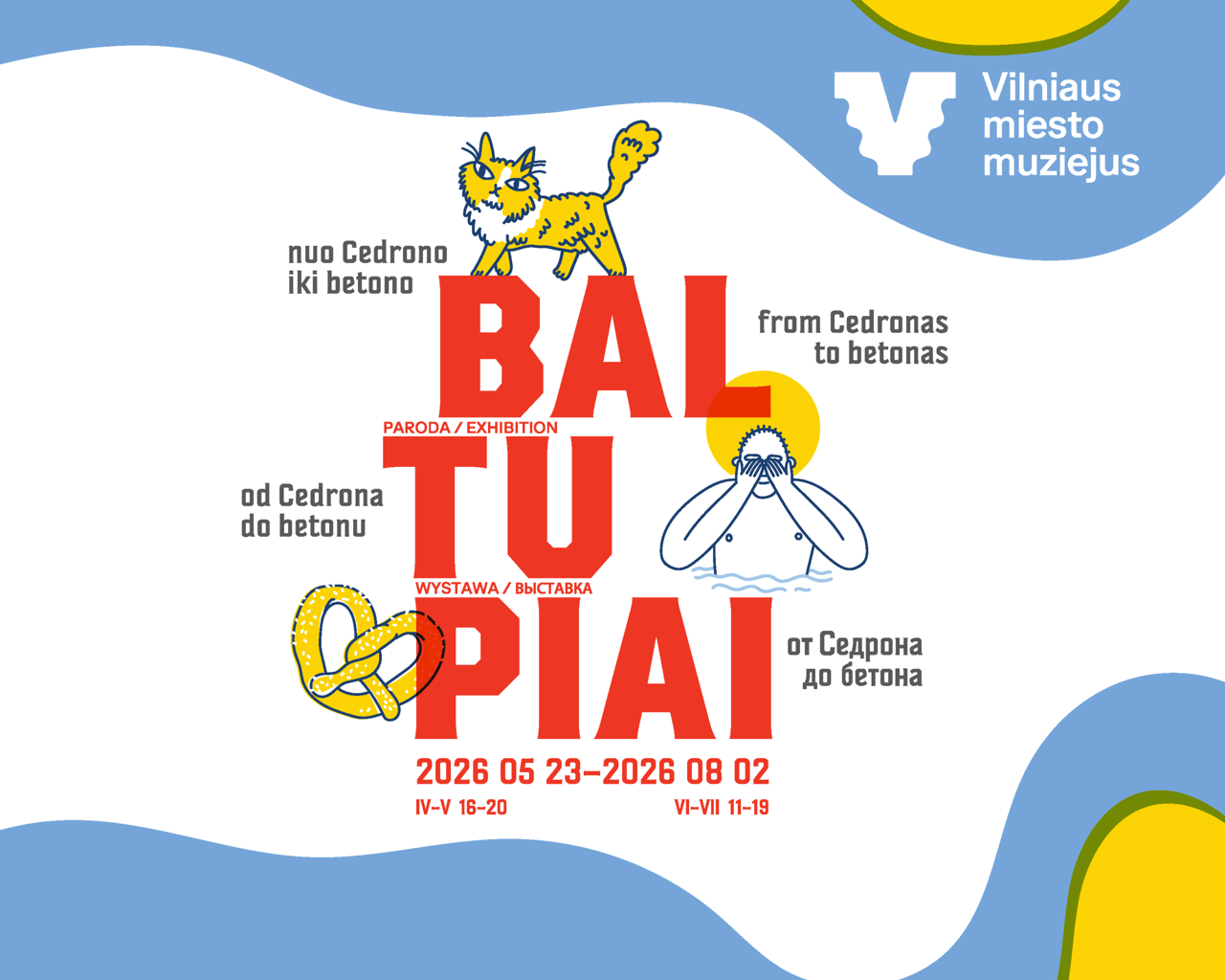
Baltupiai: from Cedronas to concrete
About this event
Almost fifty years ago, a new district, Baltupiai, emerged on a grass-covered hill and its slopes. In the lowlands, near what is now the widened Kalvarijų Street, only a small part of the demolished village remained. The new residents began to create their own layers of Baltupiai's history, while the village that gave the district its name remained on the margins.
The old village of Baltupiai was quite typical for the Vilnius area, but one circumstance set it apart from others. The Dominican monks, who ruled the lands of Baltupiai for 340 years, were "to blame" for this. The Stations of the Holy Cross they established – the Vilnius Calvary – determined the unique development of Baltupiai. Religious festivals and pilgrims flocking to the Calvary changed the life of the village. By the time the expansion of Vilnius reached these areas, quite a lot of water had flowed down the Cedronas stream.
In this exhibition, the museum, together with the residents of Baltupiai, tells the story of two very different parts of the district – the old and the new Baltupiai, the history that connects them, the residents, and the nature. We invite the residents of Baltupiai to share their thoughts and memories about the district in the exhibition, to get to know their former and current neighbors, and we invite other visitors to discover and grow fond of Baltupiai.
"Baltupiai: From Cedronas to Concrete" continues the Vilnius City Museum's cycle of research and exhibitions dedicated to supposedly uninteresting Vilnius districts – the first exhibition, "What's Up in Viršuliškės?", invited visitors to get to know the Viršuliškės district, and the second, "Krasnucha. The District That Doesn't Exist?", explored the surroundings of Savanorių Avenue.