Experience
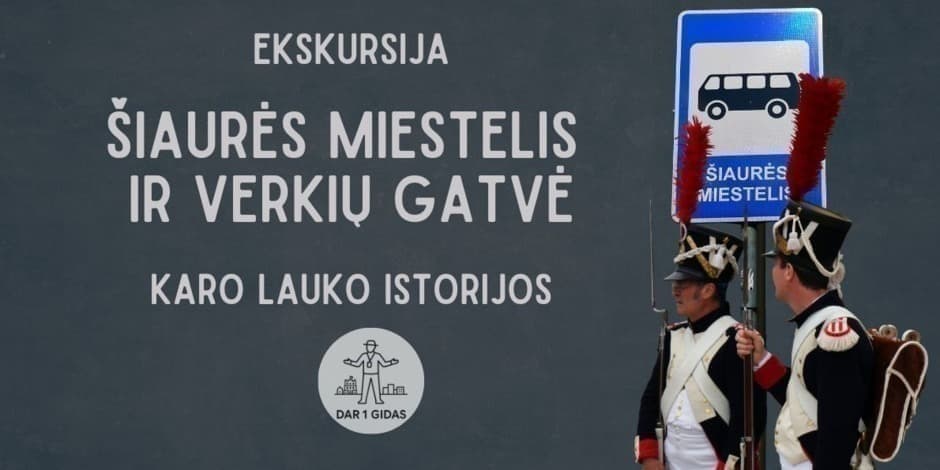
Author-led tour - Šiaurės miestelis and Verkių street. History of the Karo Laukas (War Field).
About this event
The first comprehensive Lithuanian publication about the surroundings of Vilnius (1958) describes the trip to Verkiai as follows: “On the left stretches the uninteresting Šnipiškės with its old narrow streets and simple houses in gardens and orchards. On the right – a wide plain, the so-called Karo Laukas (War Field)". This referred to the territory of Šiaurės miestelis.
"Military parades and inspections used to take place on this Field. Here, the Russian Tsar Peter I inspected his army. Here, too, Napoleon in 1812, before his ill-fated march to Moscow, observed his colorful, multi-ethnic army".
In Soviet times, part of this Field became a large, closed, secret territory, around which new factory buildings and houses arose.
Let us look for the remaining traces of this Field: from the times of Napoleon and the Soviet army.
Where were the buried soldiers of Napoleon's army found?
What does the Christ on Kalvarijų street mark?
Did mammoths walk here? And why not?
Signs of the Afghanistan war.
The pride of the Soviet micro-district - the banquet hall, what happened there and what is happening there now.
Where it is better not to buy apartments and why.
The gates of evil and two accounting offices.
Have you ever wondered why one of the streets in Vilnius' Šiaurės miestelis is now called Lakūnų?
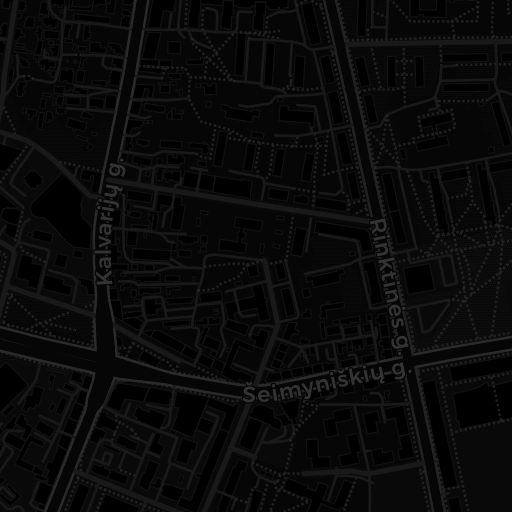
Start: Kun. Br. Laurinavičius square, (intersection of Žalgirio and Kalvarijų streets).
End: Shopping center Banginis
Duration: 1.5 hours.
Length: 2 km.