Music
Along the Baroque Paths
About this event
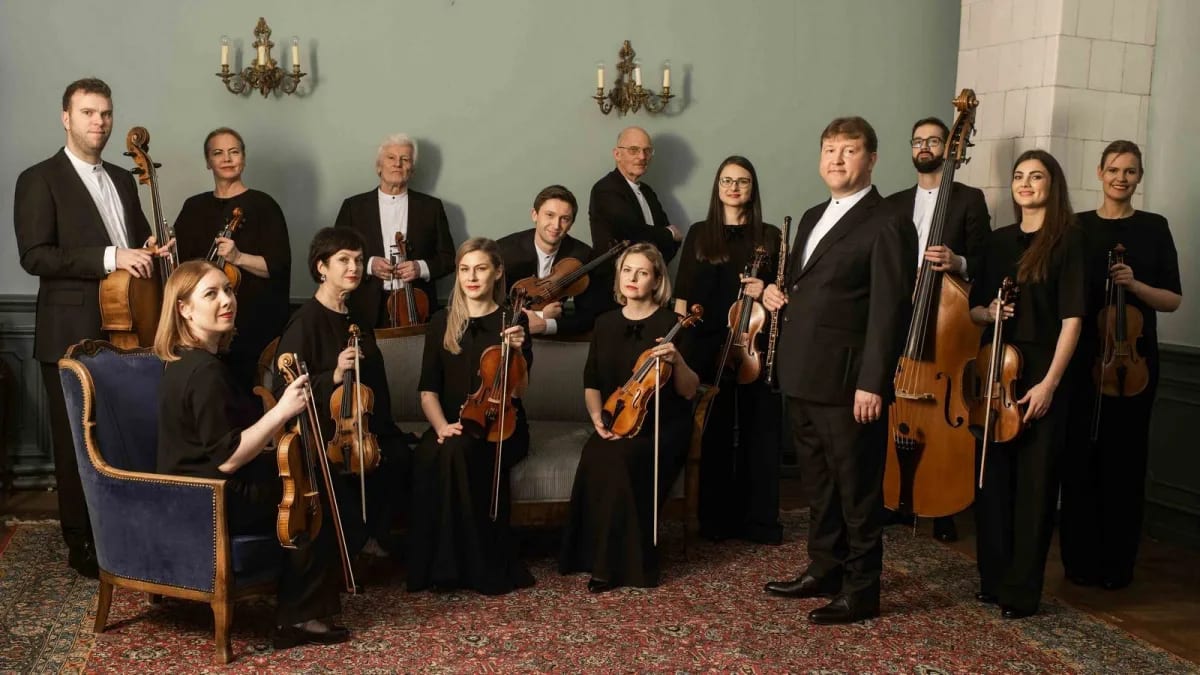
Performers: Ensemble MUSICA HUMANA Artistic director, soloist and conductor ROBERTAS BEINARIS (oboe) Soloists: FABIO ROMANO (piano, Italy) RAMUNĖ GRAKAUSKAITĖ (violin) TOMA BANDZAITYTĖ-PUPLAUSKĖ (violin) ANDRIUS PUPLAUSKIS (bassoon, oboe) Conductor and soloist ROBERTAS BEINARIS (oboe)
Program: JOHANN SEBASTIAN BACH – Concerto for Oboe, Violin, Strings and Basso Continuo in C minor, BWV 1060R; Concerto for Harpsichord, Two Violins, Viola and Basso Continuo in D minor, BWV 1052 ANTONIO VIVALDI – Concerto for Two Violins, Strings and Basso Continuo in D major, RV 512 (arranged for violin, bassoon and strings by T. Bandzaitytė-Puplauskė and Andrius Puplauskas); Concerto for Two Oboes, Strings and Basso Continuo in D minor, RV 535; Trio Sonata for Strings No. 12 in D minor, Op. 1, "La Folia"; Sinfonia from the opera "Olimpiada", RV 725
Baroque masterpieces resonate anew in the original concert programs of the ensemble "Musica humana". This time, the ensemble and its soloists will lead the way along Baroque paths – from Köthen to Venice.
The Köthen period in Johann Sebastian Bach's biography is considered his most productive. He lived there for six years (from 1717 to 1723) and created the majority of his instrumental music works, including the Concerto for Oboe, Violin, Strings and Basso Continuo in C minor and the Concerto for Harpsichord, Two Violins, Viola and Basso Continuo in D minor, which will be performed in this concert. While living in Köthen, J. S. Bach worked as Kapellmeister at the court of Prince Leopold, where he had no obligation to compose music for church services. The democratic cultural environment allowed J. S. Bach to focus on secular instrumental music and experiment with the concerto genre – one of the most important innovations of the Baroque era.
In the second part of the concert, we will travel to Venice, where another famous master of Baroque instrumental music, Antonio Vivaldi, created for most of his life.
In the 18th century, Venice was known as an exceptional cultural space: a politically independent republic, a city of intense commercial and tourist life, where music was not just an art, but a part of cultural identity. Such an environment dictated that the composer rely on highly theatrical modes of expression – they are given meaning not only in opera, but also in examples of the concerto and trio sonata genres.
This concert will feature both early and late opuses by A. Vivaldi, revealing the development of his style and the maturity of his work.