๐๐๐๐๐๐ โ ๐๐๐ ๐๐๐๐๐๐ ๐๐ ๐๐๐๐๐๐ ๐๐๐๐๐๐๐๐๐, ๐ ๐๐๐๐๐๐๐๐ ๐๐ ๐๐๐๐๐ ๐๐๐ ๐๐๐๐๐๐๐๐ ๐๐๐๐๐๐ ๐๐๐๐๐๐๐
Vladislav Starewicz โ the European Walt Disney, a pioneer of animated film โ earned Kaunas the status of a European Film Culture Treasure this year, as it was here that, while experimenting with a film camera and insects, he invented a new form of cinema: stop-motion animation.
Starewicz is considered part of their film history by the Poles, Russians, and French, yet his integration into the narrative of Lithuanian national film history remains modest, even though, as his granddaughter and heritage promoter, Lรฉona Bรฉatrice Martin-Starewitch, says: "My grandfather and his work belong to the whole world. But he comes from Lithuania, from Kaunas, which was a small city then, yet it was there that my grandfather's human values were formed, which remain important throughout the world to this day." Despite his international significance, Starewicz remains little known in Lithuania. His biography is complicated by his multicultural origins and a life and creative history unbound by state borders. We must be proud and remember that the famous film inventor grew up, became a brilliant artist, and created the world's first puppet animation films right here in Kaunas, thus turning this city into the cradle of stop-motion animation.
September 30, 7:00 pm
At cinema center "romuva"
๐ค THE BEAUTIFUL LUKANIDA 1910, 10 min.
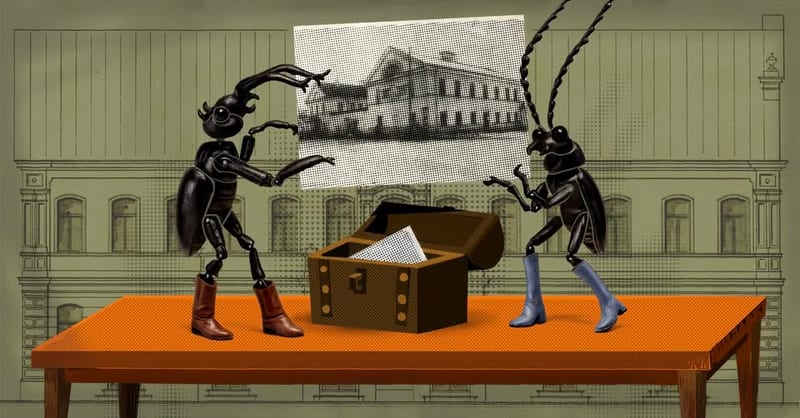
A story of love, jealousy, and revenge, whose characters are beetles. One of V. Starewicz's first puppet animation films, and the first to survive to this day, is believed to have been filmed in Kaunas. The film reveals his innovative ability to give convincing movement and character to fake insects.
๐ง THE CAMERAMAN'S REVENGE 1912, 12 min.
The film parodies the popular tabloid melodramas of the time. The story tells of a beetle couple, both of whom are unfaithful. The deceived cameraman (a grasshopper) films their betrayal and, in revenge, shows this footage in a cinema to a full house. This is one of the earliest examples of self-reflexive cinema, in which the director explores cinematic clichรฉs.
๐ฅ THE PET DOG 1933, 37 min. Created together with his daughter Irene Starewicz, who was born in Kaunas.
A sick child dreams of tasting a juicy orange, but her poor mother, a toy seamstress, cannot fulfill this wish. A cute plush dog comes to the rescue, determined to find the precious fruit on the streets of the bustling city. His journey becomes an extraordinary adventure, full of dangers, surprises, and a persistent quest to fulfill the child's dream.
FILMS WILL BE ACCOMPANIED BY: Pavel Pavlosyuk โ a pianist, composer, and professional silent film accompanist from Ukraine.
The program is presented by the Film Culture Association and the early film festival First Wave; the program is funded by AVAKA and Kaunas City Municipality.
๐๐๐ฆ๐ข๐ฌ๐ฌ๐ข๐จ๐ง ๐ข๐ฌ ๐๐ซ๐๐; ๐๐ซ๐๐ ๐ญ๐ข๐๐ค๐๐ญ๐ฌ ๐ฐ๐ข๐ฅ๐ฅ ๐๐ ๐๐ข๐ฌ๐ญ๐ซ๐ข๐๐ฎ๐ญ๐๐ ๐๐ญ ๐ญ๐ก๐ ๐๐จ๐ฆ๐ฎ๐ฏ๐ ๐๐จ๐ฑ ๐จ๐๐๐ข๐๐ ๐จ๐ง๐ ๐ก๐จ๐ฎ๐ซ ๐๐๐๐จ๐ซ๐ ๐ญ๐ก๐ ๐๐ฏ๐๐ง๐ญ.
๐ฃ ๐๐๐๐ ๐๐๐๐๐ ๐๐๐๐๐๐๐๐๐ ๐๐๐๐๐๐๐๐๐
Born into a Polish family in Moscow, Vladislav Starewicz grew up with relatives in Kaunas after his mother's death, where he became interested in photography and began his first film experiments. With a camera entrusted to him by the Kaunas Museum, he filmed his first documentary, "Over the Nemunas." In 1910, Starewicz created the first puppet animation film in world cinema history, "The Battle of the Stag Beetles," which, unfortunately, did not survive; however, "The Beautiful Lukanida," filmed in Kaunas that same year, brought him international fame. Since then, his films have been shown all over the world, and his work has inspired directors well-known to us, such as Tim Burton, Wes Anderson, and Walt Disney.
The emergence of this new type of cinema was partly due to the fact that Starewicz was particularly interested in entomology. He collected insects and tried to film scenes from their lives, but the film lamps of the time were too hot, and his "actors" simply "cooked" before they could finish their roles. Therefore, Starewicz began creating realistic insect models and animating them. This led to his entomological films "The Life of Dragonflies," "Beetle-Scarab," and later the animated "The Battle of the Stag Beetles" and "The Beautiful Lukanida," for which Starewicz was dubbed the "insect trainer," because his incomprehensible technique made people believe that trained insects were actually acting in the films.
His experiments with cinematic expression quickly transcended the boundaries of the insect world, and his name was supplemented with epithets such as "film alchemist," "film inventor," and others. Starewicz constantly sought new possibilities for cinematic expression: he experimented with film exposure, color, editing, and optical effects. Later, he began creating complex puppets capable of precise movements and facial expressions, and he considered himself not an animator, but a master of marionettes. In Moscow, where he lived and worked in 1912, Starewicz created not only animated films but also live-action films. After the 1917 revolution, he fled with his family to France and established his own studio near Paris, where the entire family worked on the films โ his wife Anna and daughters Irene and Jeanne.
One of his most significant works is "The Tale of the Fox" (1937), based on the motifs of Goethe's work โ the first feature-length animated film in the world, released a few months before Walt Disney's "Snow White and the Seven Dwarfs." Disney highly valued Starewicz's talent and his creative progress. Despite offers to work in the USA, Starewicz chose independence and continued to create in his studio with his family until the end of his life.
Today, a significant part of his work is lost or survives only in fragments. Starewicz's granddaughter Lรฉona Bรฉatrice Martin-Starewitch and her husband Franรงois Martin take care of the preservation, restoration, and dissemination of the surviving films and puppets.