Music
Symphony of joy
THU, 24 SEP · 18:30
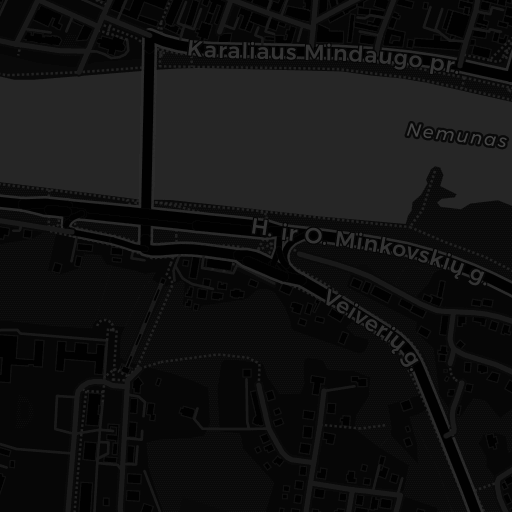
Kauno valstybinė filharmonija · E. Ožeškienės g. 12, Kaunas
From €51.10Tickets ↓
About this event
Dedicated to Lithuania's Presidency of the Council of the EU
Performers: Lithuanian state symphony orchestra Artistic Director and Chief Conductor Gintaras Rinkevičius Kaunas state choir Artistic Director and Chief Conductor Robertas Šervenikas Soloists: KAMILĖ BONTÉ (soprano) GABRIELĖ KUPŠYTĖ (mezzo-soprano) KAROLIS KAŠIUBA (tenor) KOSTAS SMORIGINAS (bass) Conductor GINTARAS RINKEVIČIUS Program: LUDWIG VAN BEETHOVEN – Symphony No. 9 in D minor, Op. 125, "Ode to Joy"
As Lithuania prepares to hold the Presidency of the Council of the EU in 2027 and with the Lithuanian-German Cultural Season 2027–2028 approaching, we invite you to listen to the 9th Symphony by German composer Ludwig van Beethoven, the finale of which is considered the anthem of the European Union.
Regarded as perhaps the most famous piece of classical music, the impressive 9th Symphony by L. van Beethoven is the composer's final opus, which he created while completely deaf. L. van Beethoven worked diligently on every note of this symphony and presented the public with a completely new approach to the symphonic genre: the performance involves four soloists and a choir (until then, the symphony was considered an exclusively instrumental genre), the orchestra used by the composer is unusually large, and the work's duration of more than an hour did not meet the standards of that time.
This symphony is considered an important stylistic bridge, a transition between the Classical and Romantic periods in the history of Western music. In the final, fourth movement of the symphony, the four soloists and the choir sing the text from Friedrich Schiller's poem "Ode to Joy" – which is why the work is sometimes called the "Ode to Joy" symphony. The prelude to the finale, which features the majestic "Ode to Joy," was officially adopted as the anthem of the European Union in 1985.
The premiere of the Ninth Symphony took place in 1824 in Vienna and was received with great enthusiasm by the audience. "The public greeted their hero with the greatest respect and sympathy, listened to his wonderful, majestic work with bated breath, and erupted in thunderous applause after each movement of the work. After the symphony ended, the audience stood and called L. van Beethoven to the stage with ovations five times: they waved handkerchiefs, hats, and raised hands so that the composer, who could not hear the applause, could at least see it," wrote a critic for the "Theater-Zeitung" after the symphony's premiere.
Music experts recognize the Ninth Symphony as L. van Beethoven's greatest work and one of the highest achievements in the history of Western music. This majestic piece is one of the most frequently performed symphonies in the world.
When & where
SEP