Event
Premiere
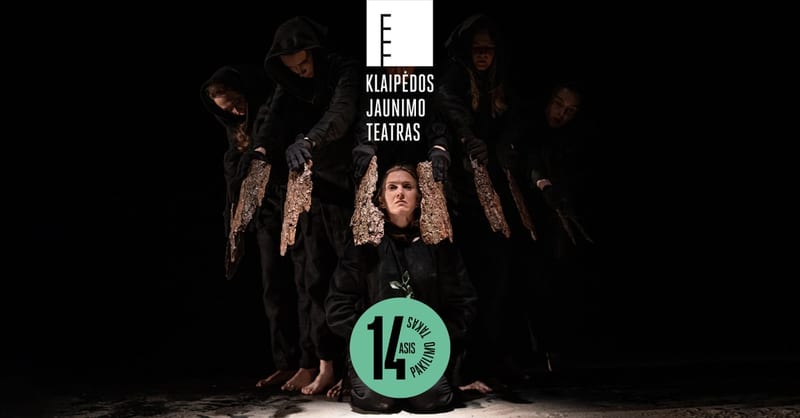
Klaipėda Youth Theatre · Juodvarnių seserys (dir. M. Mičiulytė)
WED, 23 SEP · 18:30
Nacionalinis Kauno dramos teatras · Laisvės ave. 71, Kaunas
From €12.25Tickets ↓
About this event
This is a fragmentary, visual, and poetic play that reveals a rarely seen side of the Lithuanian partisan war – the stories of women, their silent but decisive role in the resistance.
The partisan war of 1944–1953 is most often told through the stories of the men who fought in the forests, but without the help of women, this movement would have been much more difficult, perhaps even impossible. The play invites you to look at this period through the eyes of women.
On stage, the voices of female partisans, songs, Lithuanian folklore, and the language of visual object theatre intertwine. The fragmentary dramaturgy reveals different fates: messengers, nurses, press distributors, lovers, sisters, daughters. Their daily life is one of constant tension, danger, and choices where there is no safe place.
These are stories about the silence that protects. About the waiting that hurts. About the love that does not save, but gives meaning.
The motif of the Lithuanian folk tale "The Twelve Brothers, Who Turned into Ravens" repeats throughout the fabric of the play. Just like in the fairy tale, the woman here takes a vow of silence – patiently, through pain, through time. By knitting nettle shirts, she saves her brothers. Her efforts, patience, and sacrifice become a metaphor for the women who quietly but persistently supported the forest brothers.
"Juodvarnių seserys" invites you to look at the partisan period from a sensitive, poetic, and rarely seen perspective on stage – through the voices, feelings, experiences, silence, and strength of women.
Creative team:
Director – Milda Mičiulytė
Puppet and movement director – Eugenijus Slavinskas
Dramaturg and composer – Ieva Pakštytė
Background music composer – Martynas Bialobžeskis
Set designer – Renata Valčik
Sound engineer – Laurynas Milinis
Actresses – Laima Akstinaitė, Elzbieta Girkantaitė, Vaiva Kvederavičiūtė, Rugilė Latvėnaitė, Ieva Pakštytė, Evelina Šimelionė
Assistant – Gabija Bargailaitė
When & where
SEP